
Ultimate Checklist for Conversion Rate Optimization Tools

Why Conversion Rate Optimization Tools Are Essential for Growing Online Retailers
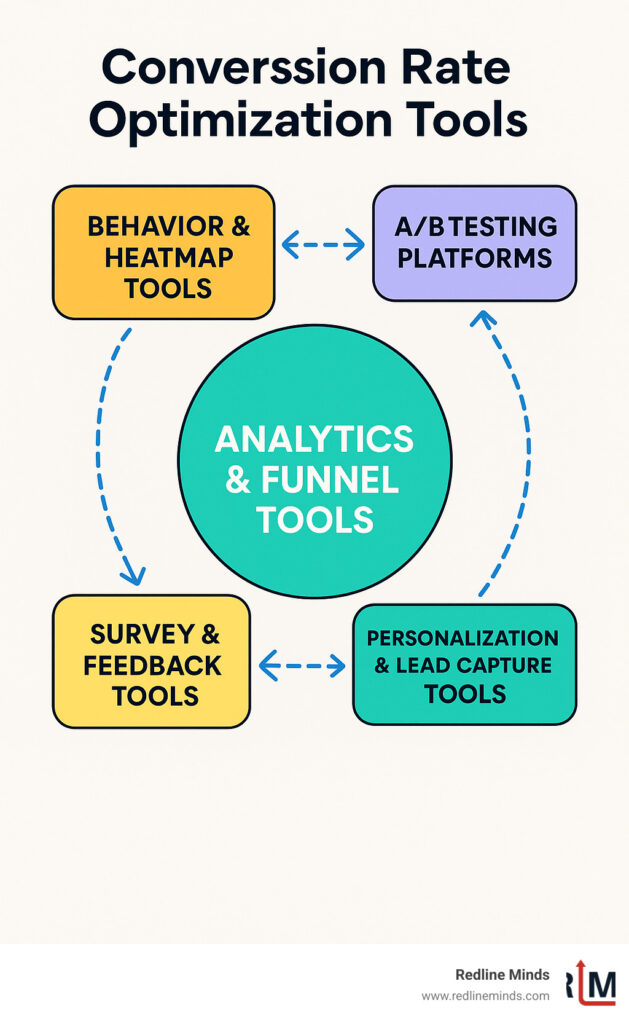
Conversion rate optimization tools are software platforms that help businesses increase the percentage of website visitors who complete desired actions like purchases, sign-ups, or downloads. These tools fall into five main categories:
- Analytics & Funnel Tools – Track visitor behavior and identify conversion bottlenecks
- Heatmap & Behavior Tools – Visualize how users interact with your pages
- A/B Testing Platforms – Test different versions of pages to find what converts best
- Survey & Feedback Tools – Collect direct input from visitors about their experience
- Personalization & Lead Capture Tools – Deliver targeted content and capture visitor information
Did you know that over 70% of visitors who abandon your website will never return? Most websites capture fewer than 1 email for every 200 visitors. Meanwhile, businesses using CRO tools see an average ROI increase of 223%.
The math is simple but powerful. If your site converts at 2% and you double that to 4%, you’ve just halved your customer acquisition cost without spending a penny more on traffic. For a $5 million online retailer, that could mean an extra $2.5 million in revenue from the same visitor volume.
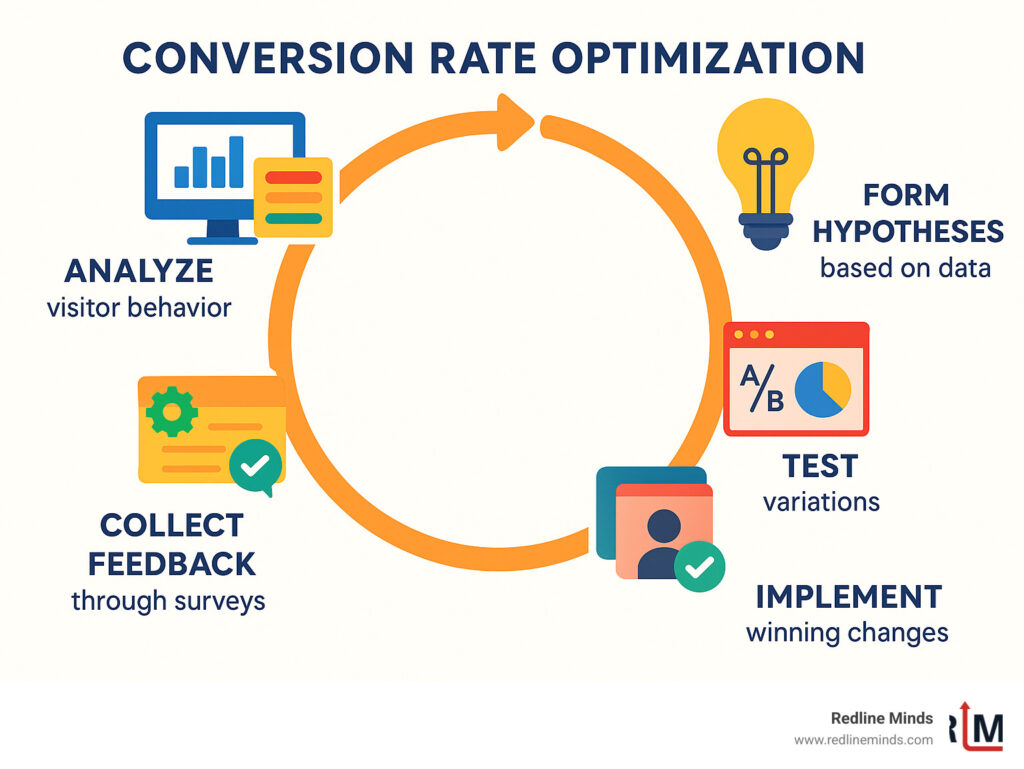
Conversion rate optimization isn’t just about testing button colors. It’s about understanding your customer journey, identifying where visitors drop off, and systematically removing friction points. The right tools make this process data-driven rather than guesswork.
Foundations: Understanding CRO Before You Choose Tools
Think of conversion rate optimization tools as your detective kit for solving the mystery of why visitors leave without buying. But before you start collecting clues, you need to understand what you’re investigating.
Most websites aren’t performing as well as their owners think. The average website conversion rate hovers between 2% and 5% across all industries. For ecommerce businesses specifically, you’re looking at an average of 2.86%.
Understanding macro versus micro conversions is like knowing the difference between touchdowns and first downs in football. Macro conversions are your big wins – actual purchases, sign-ups, or lead submissions. Micro conversions are the smaller victories that move people closer to that big win – email subscriptions, product page views, adding items to cart.
The conversion rate calculation itself is simple: (Total conversions ÷ Total visitors) × 100. The real challenge is understanding what drives these numbers and how tiny improvements create massive results over time.
Why Every Percent Matters
Doubling your conversion rate literally halves your cost-per-acquisition. Let’s say you’re spending $1,000 to drive 100 visitors, and 20 of them convert. Your customer acquisition cost is $50 per conversion. Double that conversion rate to 40 conversions from the same 100 visitors, and your customer acquisition cost drops to $25.
Businesses using conversion rate optimization tools see an average ROI increase of 223%. Additionally, 80% of consumers are more likely to buy from brands that offer personalized experiences.
For an ecommerce store with a $100 average order value, improving from 2% to 3% conversion rate translates to an extra $10,000 in monthly revenue from 10,000 monthly visitors. Scale that across a year, and you’re looking at $120,000 in additional revenue from the same traffic.
Common Conversion Leaks to Fix First
Before you invest in sophisticated conversion rate optimization tools, check for basic issues that kill conversions:
- Load speed problems are conversion killers. Every extra second of loading time costs you conversions.
- Mobile user experience issues deserve special attention since smartphones now account for 75% of retail website visits and 66% of online shopping orders.
- Broken forms frustrate visitors who’ve already decided they want to buy. Check your checkout process and sign-up flows regularly.
- Cart abandonment is the biggest leak most ecommerce sites face, with average abandonment rates hovering around 69.8% according to the Baymard Institute.
More info about Building Great Landing Pages provides detailed guidance on fixing these fundamental issues before you layer on advanced optimization tools.
Conversion Rate Optimization Tools Categories (The Essential Checklist)
Think of conversion rate optimization tools as your digital detective kit. Each category serves a unique purpose, but the real magic happens when they work together to tell a complete story about your visitors’ behavior.
Your optimization stack needs to play well with others. Prioritize platforms with solid APIs and native integrations. Look for tools that handle GDPR requirements gracefully and give you control over data collection.
Analytics & Funnel Mapping Tools — core conversion rate optimization tools
These tools are your optimization foundation. Without solid analytics, you’re flying blind. The best platforms help you understand not just how many visitors you’re getting, but what they’re actually doing on your site.
Traffic source analysis reveals which marketing channels bring your best customers. Funnel reporting shows exactly where visitors bail out. Segmentation capabilities let you slice and dice your data by device type, visitor type, and behavior patterns. Goal tracking keeps you focused on both macro conversions (purchases, sign-ups) and micro conversions (email subscriptions, product page views).
27 Conversion Optimization Tools breaks down exactly how to evaluate analytics platforms based on your business size and complexity.
Behavior & Heatmap Suites — visual conversion rate optimization tools
Numbers tell you what happened. Heatmaps and behavior tools show you how it happened. Heatmaps reveal invisible patterns on your pages. Session recordings are like having a window into your customers’ minds. Rage click detection automatically flags areas where visitors repeatedly click in frustration.

The best approach combines quantitative data from analytics with qualitative insights from behavior tools.
A/B & Multivariate Experimentation Platforms — experimentation-focused conversion rate optimization tools
This is where educated guesses become proven winners. A/B testing compares one change at a time. Multivariate testing tests multiple elements simultaneously but requires more traffic. Split URL testing compares completely different page designs.
| Test Type | Best For | Sample Size Needed | Duration |
|---|---|---|---|
| A/B Testing | Single element changes | Smaller | Shorter |
| Multivariate | Multiple simultaneous changes | Larger | Longer |
| Split URL | Complete page redesigns | Medium | Medium |
Remember the golden rule: let tests run until you have statistical confidence, usually requiring p-values under 0.05.
Voice-of-Customer Feedback & Survey Tools
Exit intent surveys catch visitors right as they’re leaving. On-page polls gather feedback without disrupting the shopping experience. Net Promoter Score surveys measure customer satisfaction and loyalty. Post-purchase surveys capture insights when they’re freshest.
The timing of surveys matters enormously. Trigger them after visitors spend meaningful time on a page or when they show exit intent.
More info about Conversion Rate Optimization (CRO) explains how to design surveys that provide actionable insights.
Personalization, Lead Capture & Automation Toolsets
Dynamic content changes based on who’s visiting. Smart pop-ups trigger based on behavior rather than time. Product recommendation engines suggest relevant items based on browsing history. Email capture forms with sophisticated targeting rules perform much better than generic newsletter sign-ups.
The magic happens in the targeting rules. Instead of showing the same pop-up to everyone, create specific scenarios based on visitor behavior and source.
Shipping and Return Policies Influence Sales demonstrates how personalized messaging around policies can significantly impact conversion rates.
Selecting & Implementing the Right CRO Stack
Choosing the right conversion rate optimization tools can feel overwhelming. The secret is getting systematic about it.
Start with a brutally honest needs assessment. What’s actually broken on your site? If you’re losing 60% of visitors on product pages, you need heatmap tools before advanced personalization. What would a 1% conversion rate improvement actually mean for your business? If you’re doing $100,000 monthly revenue at 2% conversion, jumping to 3% means an extra $50,000 per month.
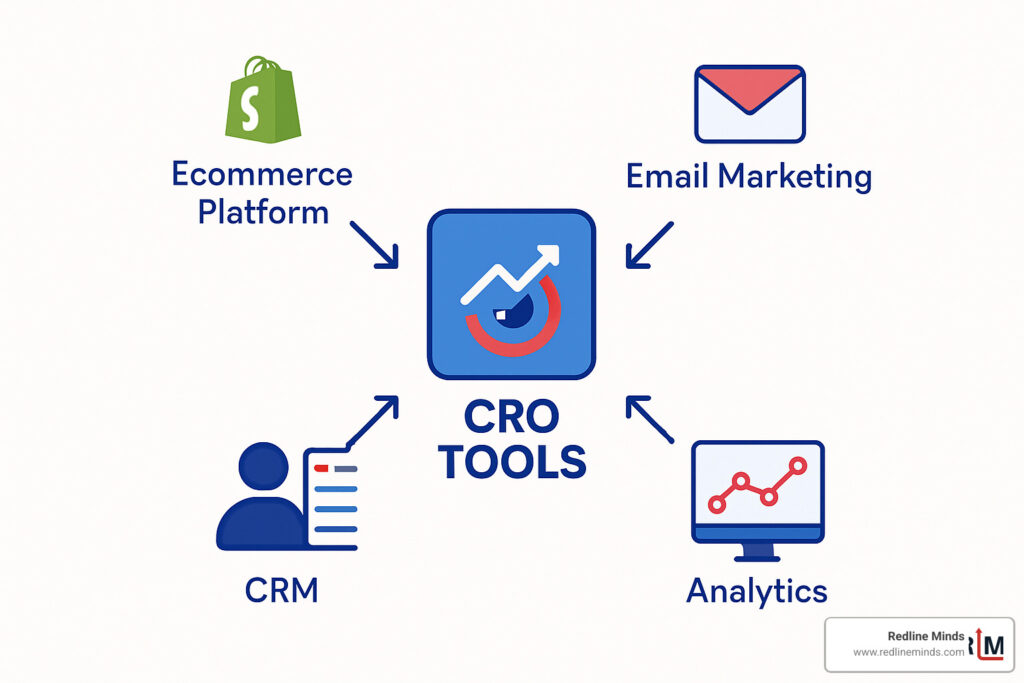
Your tech stack compatibility matters more than flashy features. Look for tools that play nicely with what you already have – APIs, webhooks, or native integrations save you headaches.
Ease of use trumps everything else. The most powerful tool is useless if your team won’t use it. Don’t forget about hidden costs like implementation time and team training.
Scoring Tools With the P.I.E. Framework
The P.I.E. framework keeps you focused. Score each potential tool on three factors:
Potential – How much improvement could this tool realistically drive? Importance – How critical is this to your main business goals? Ease – How difficult is implementation and time to value?
Score each tool from 1-10 in all three areas, then multiply the scores together for a clear roadmap.
Setting Up for Success
Document where you are right now. Baseline data is essential – current conversion rates, traffic patterns, and key metrics. Create a simple hypothesis template and stick to it. Set up guardrail metrics early – things you don’t want to accidentally break while chasing conversions.
Run an A/A test before anything else to ensure your testing platform isn’t introducing bias or technical issues.
Best Practices for Using Your New CRO Toolbox
Having great conversion rate optimization tools doesn’t automatically guarantee great results. The magic happens in how you use them.
Think of CRO as iterative testing rather than a magic bullet. You’re building momentum through consistent experimentation cycles. Statistical rigor separates real improvements from lucky streaks. Resist the temptation to call winners early.
Segment your analysis by traffic source, device type, and visitor type. That “failed” test might actually be a huge win for mobile users or first-time visitors. The most powerful insights come from combining quantitative and qualitative data.
With smartphones driving the majority of ecommerce traffic, mobile-first optimization isn’t optional. Mobile users behave completely differently than desktop users – they’re more impulsive, more sensitive to load times, and more likely to abandon complex forms.
Don’t underestimate social proof and trust signals. Customer reviews, testimonials, trust badges, and security certifications can dramatically boost conversions.
More info about Perfect Product Page Design walks through applying these best practices to your most important pages.
Maintaining an Optimization Flywheel
The businesses that see the biggest long-term gains create an optimization flywheel. Each test builds momentum for the next one.
Data-driven insights fuel this flywheel. Every test teaches you something valuable about your customers. Continuous deployment keeps momentum going. Cross-team collaboration brings valuable insights from customer service, sales, and fulfillment teams.
Building a culture of experimentation means making it safe to test ideas that might fail. Some of the most valuable learning comes from tests that don’t work as expected.
Measuring ROI and Communicating Wins
Numbers tell the story, but tell it in a way that resonates. Conversion lift percentages are great for optimization teams, but “$50,000 additional monthly revenue” gets attention in board meetings.
Think about impact on customer acquisition costs. If you improve conversion rates by 20%, you’ve effectively reduced your cost per customer by 20%. Create dashboards that show trends, not just snapshots. Storytelling makes data memorable – explain what you learned about customer behavior and how those insights inform other business decisions.
Frequently Asked Questions about Conversion Rate Optimization Tools
How do conversion rate optimization tools integrate with my existing analytics and marketing platforms?
Most modern conversion rate optimization tools offer native integrations with popular ecommerce systems, email marketing tools, and analytics dashboards. These plug-and-play connections mean you can often get started in minutes rather than weeks.
For complex setups, APIs and webhooks provide flexibility for custom connections. The real magic happens when data flows smoothly between systems – your A/B testing results automatically appear in your analytics dashboard, survey responses sync with customer profiles, and heatmap insights get tagged with traffic source information.
What metrics and KPIs should I track inside each tool category?
Analytics tools should focus on conversion rate, bounce rate, average session duration, and revenue per visitor – but segment everything by device type and traffic source.
Behavior tools should track scroll depth, click-through rates on key elements, and form completion rates. Session replays provide insights that numbers alone can’t capture.
Testing platforms require tracking statistical significance and conversion lift, but also monitor your testing velocity. Revenue impact matters more than percentage improvements.
Survey tools should measure response rates and actionable insights generated. Personalization tools should track engagement with personalized content and revenue lift from custom experiences.
Are conversion rate optimization tools suitable for every ecommerce niche?
Absolutely, but how you use them should be custom to your specific business and customers. Every ecommerce business can benefit from understanding customer behavior, testing improvements, and optimizing conversions.
High-consideration purchases often see bigger gains from detailed product information and trust signals. Impulse purchase categories might respond better to urgency messaging and streamlined checkout processes. B2B ecommerce operates with longer consideration cycles requiring different testing strategies.
The key is starting with your customer’s perspective and choosing tools that address their specific needs.
Conclusion
Conversion rate optimization tools aren’t just nice-to-have software – they’re the difference between guessing what your customers want and knowing exactly how to serve them better. But here’s the thing: the fanciest tools in the world won’t help if you don’t use them consistently and strategically.
Think of these tools as your optimization compass. They point you toward the changes that actually matter, not just the ones that look good in design meetings. The businesses we see succeeding aren’t necessarily the ones with the biggest budgets – they’re the ones that commit to testing, learning, and improving week after week.
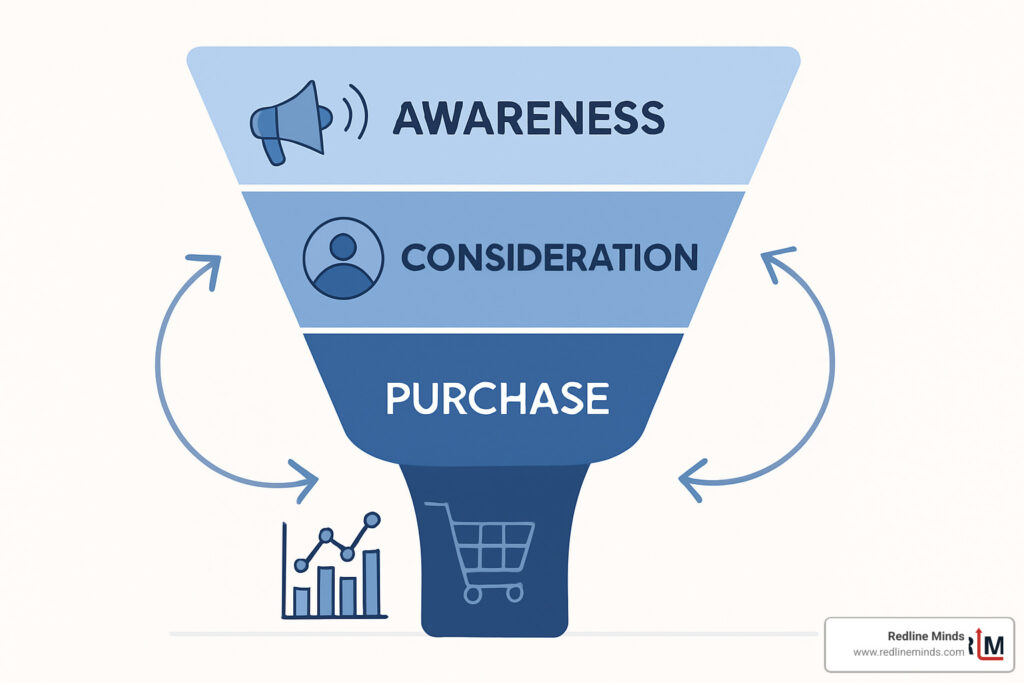
Your conversion rate optimization journey should start with understanding where you are right now. Run a quick audit of your current site. Check your conversion rates by traffic source and device type. Look for the biggest drop-off points in your funnel. These insights will tell you which tool category deserves your attention first.
Maybe your analytics reveal that mobile visitors bounce at twice the rate of desktop users. That’s a clear signal to start with behavior tools like heatmaps and session recordings. Or perhaps you find that cart abandonment is your biggest leak – time to focus on exit-intent surveys and personalization tools.
The beauty of conversion rate optimization tools is that they build on each other. Your first small win gives you confidence to tackle bigger challenges. Your testing velocity increases as you learn what works for your specific audience. Before you know it, you’ve created that optimization flywheel we talked about earlier.
At Redline Minds, we’ve watched this change happen countless times. Retailers who started with basic analytics end up running sophisticated testing programs that consistently beat their conversion rate goals. The secret isn’t having every tool available – it’s picking the right ones and using them well.
More info about Conversion Rate Optimization tools at Redline Minds walks you through exactly how to choose and implement the right combination for your business size and goals.
Optimization never really ends. There’s always another page to improve, another segment to understand, another test that might open up your next breakthrough. But that’s what makes it exciting. Every small improvement compounds over time, turning incremental gains into substantial business growth.
The best time to start optimizing was yesterday. The second best time is right now. Pick one tool category, run your first test, and begin building the optimization habit that will serve your business for years to come.
Share this article
Tap into years of experience and turn your site’s visitors into buyers.
Related Posts
-
Compare Shopify Migration Services: Options Cheat Sheet
Compare Shopify migration services and find the right Shopify migration company for your store, from manual imports to…
-

Ultimate Checklist for Improving B2B Customer Experience
Ultimate Checklist for Improving B2B Customer Experience – Learn about b2b ecommerce customer experience
-

A Practical Guide to What to Sell Online for Profit
A Practical Guide to What to Sell Online for Profit – Learn about i don t know what…