
A Comprehensive Guide to Best SEO Tools
Why Finding the Best SEO Tools Matters More Than Ever in 2026
The best SEO tools in 2026 are no longer just about ranking on Google. They now need to help your brand show up in AI-powered search engines like ChatGPT, Google AI Overviews, and Perplexity — places where buyers increasingly start their research.
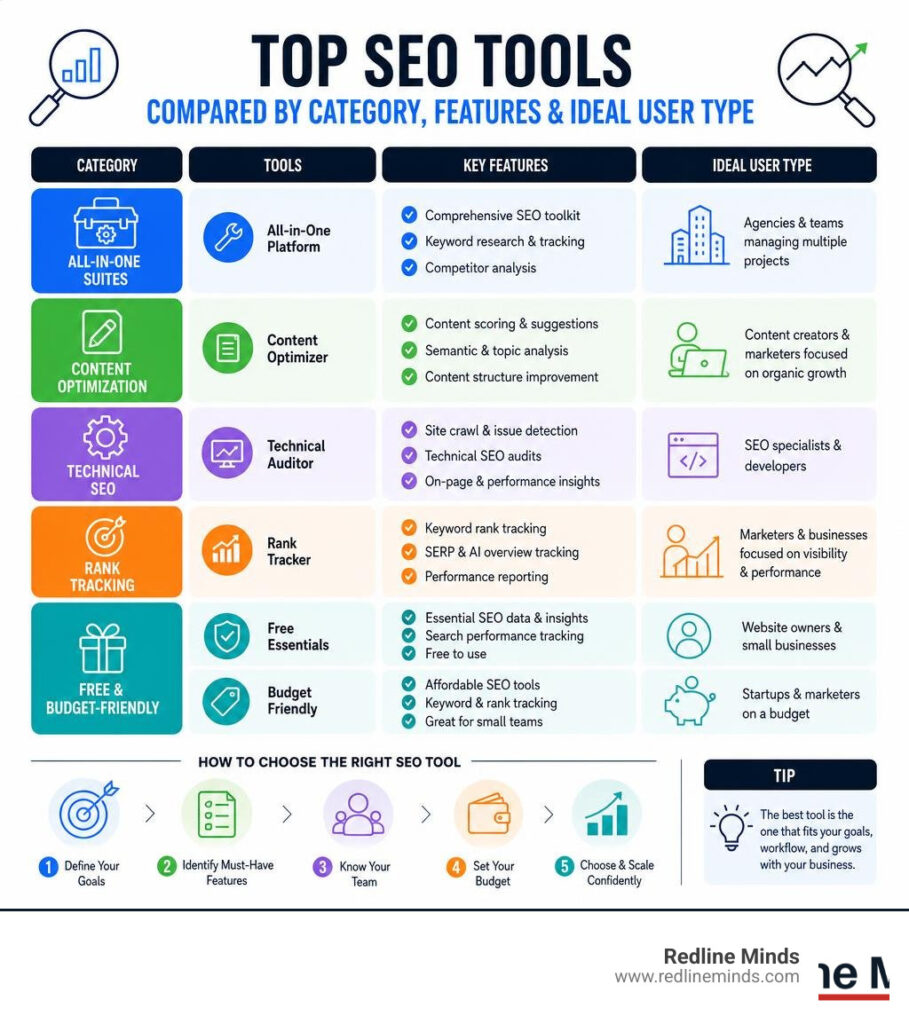
Here are the top SEO tools to consider right now:
| Tool | Best For | Standout Feature |
|---|---|---|
| Semrush | All-in-one SEO | 28.5B keyword database, AI tracking |
| Ahrefs | Backlink & competitor analysis | Industry-leading link index |
| Surfer SEO | Content optimization | LLM citation optimization |
| SE Ranking | Rank tracking | AI Overviews tracking |
| Google Search Console | Free baseline data | First-party accuracy |
| Screaming Frog | Technical site audits | Deep crawl, 500 URLs free |
| KeySearch | Budget-friendly keyword research | Low cost, beginner-friendly |
| Yoast SEO | WordPress on-page SEO | 13M+ sites, free forever |
There are now over 450 SEO tools on the market. That number jumped by roughly 100 in the past year alone — mostly because of new AI visibility tools focused on Generative Engine Optimization (GEO).
For a mid-sized online retailer, that’s overwhelming. The wrong tool wastes budget. The right one can unlock organic traffic that compounds over time without paying for every click.
This guide cuts through the noise. We compare the top platforms across every major category — all-in-one suites, content tools, technical auditors, and free options — so you can make a confident, informed decision.
The Evolution of Search: Why You Need the Best SEO Tools in 2026
Search engine optimization is no longer a simple game of matching keywords and building basic backlinks. The modern organic landscape has shifted dramatically into the era of Generative Engine Optimization (GEO). Today, consumers routinely ask Large Language Models (LLMs) like ChatGPT, Claude, and Gemini for product recommendations and vendor discovery. In fact, ChatGPT alone handles over 2.5 billion prompts per day — which is already more search volume than Bing!
Because of this shift, the best SEO tools must do more than track traditional SERPs. They must monitor AI Overviews and measure how often your brand is cited inside LLM conversational search results. LLMs do not rank content based on old-school keyword density; instead, they cite sources based on content structure, topical depth, and brand credibility.
For B2B and hybrid ecommerce businesses, ignoring these AI search touchpoints means missing out on high-intent buyers who use AI assistants to short-list vendors. To stay ahead of these changes, we recommend reading our deep dive on E-Commerce SEO in 2026 and Beyond to Increase Your Organic Traffic to align your technical and content strategies with the future of search.
Top All-in-One SEO Platforms Compared
When you want a single command center to run your entire organic strategy, you turn to an all-in-one SEO suite. These platforms handle everything from keyword research and competitor analysis to backlink monitoring and rank tracking.
Choosing between these giants often comes down to your primary goals. If you need a comprehensive database with cutting-edge AI integrations, Semrush: Your Unfair Advantage for Growing Brand Visibility is the undisputed heavy hitter. If your strategy relies on deep competitor research and analyzing complex backlink profiles, Ahrefs remains the gold standard.
Semrush: The Ultimate AI-Ready SEO Suite
Semrush is a powerhouse trusted by over 28 million users worldwide. It boast a massive database featuring 28.5 billion keywords, 808 million domain profiles, and 142 geographic databases. This scale makes it incredibly accurate for identifying search intent and uncovering high-value keywords that your competitors have missed. On G2, Semrush holds a stellar 4.5 out of 5-star rating from more than 2,680 reviews.
What makes Semrush stand out is its commitment to the AI search era. It includes dedicated tools to track brand visibility inside LLM prompts and ChatGPT conversational search results. It also offers technical AI-readiness audits, ensuring that search engine crawlers and AI bots alike can easily parse, index, and cite your website’s content.
Ahrefs: The Industry Standard for Backlink Analysis
Ahrefs is widely regarded by SEO professionals as the premier tool for backlink analysis and competitor intelligence. With a solid G2 rating of 4.5 out of 5 stars from over 581 reviews, Ahrefs excels at showing you exactly where your competitors are getting their links and which keywords drive their organic traffic.
Ahrefs features a powerful “Brand Radar” add-on that tracks brand mentions across the web, helping you spot link-building opportunities in real time. While primarily built for advanced users, Ahrefs also offers a lesser-known, budget-friendly starter plan that provides essential keyword and backlink metrics for smaller businesses just getting their feet wet.
Specialized Content and On-Page Optimization Software
Even with the best keywords, your pages won’t rank or earn AI citations if the content itself lacks depth and structural optimization. Specialized on-page SEO software helps writers create highly optimized, authoritative content that satisfies both human readers and search algorithms.
To get the most out of these tools, we must also focus on rich media. For example, optimizing your product photos is just as important as fine-tuning your text. Be sure to check out The Ultimate Guide to Ecommerce Image Optimization to ensure your images load instantly and rank in visual search results.
Surfer SEO: Leading the Era of Artificial Influence
Surfer SEO has revolutionized how content is written and optimized. Holding a 4.8 out of 5-star rating on G2 from over 537 user reviews, Surfer is designed to help you build topical authority. By utilizing Positive Surfer – AI Visibility Platform for maximum organic growth , you can automatically analyze top-ranking pages for your target keywords and generate comprehensive content briefs.
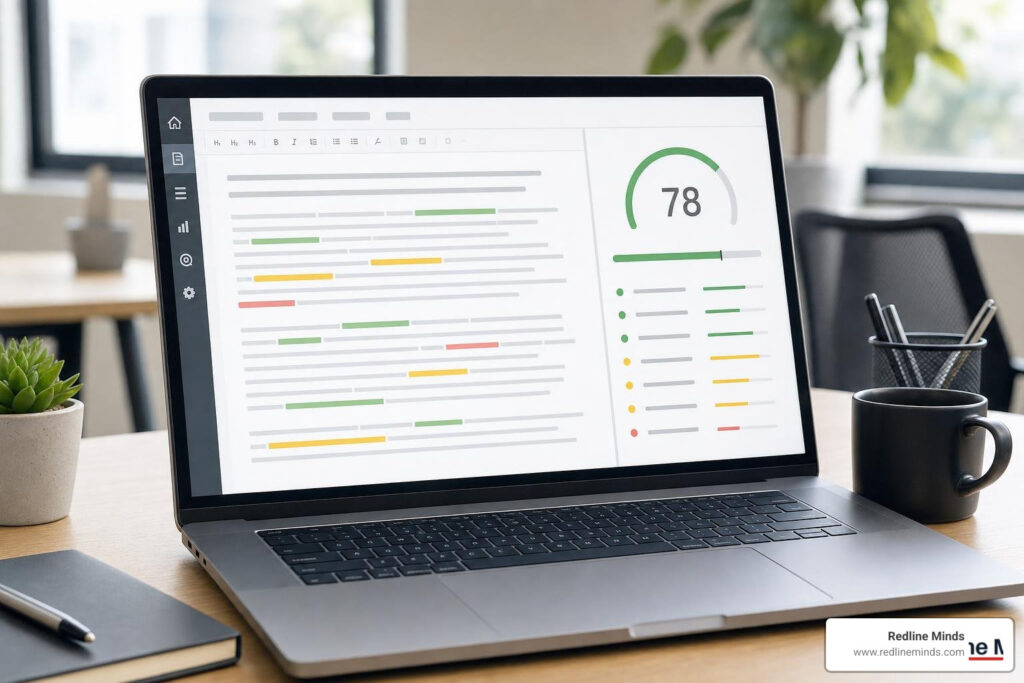
Surfer’s Content Editor guides you in real time, suggesting Natural Language Processing (NLP) terms, ideal word counts, and heading structures. This data-driven approach pays off: content optimized with Surfer’s platform is 25% more likely to be cited by AI search engines and LLMs, giving you a major advantage in modern search visibility.
WordPress and Shopify Integrations for On-Page Success
If you run your store on WordPress or Shopify, you don’t always need to log into an external dashboard to optimize your pages. Platform-specific plugins bring powerful SEO controls directly into your content management system.
Yoast SEO is the most popular WordPress plugin, trusted by over 13 million sites. It automates technical essentials like XML sitemaps and schema markup while offering real-time readability feedback. Rank Math is another exceptional choice, offering advanced schema automation and image alt-tag optimization. For Shopify merchants, apps like Booster SEO run on autopilot to fix broken links and add structured data to product pages automatically. To explore more platform-specific options, read our guide on the Top Ecommerce SEO Tools for Growth.
Technical SEO and Free Auditing Tools
You can write the most compelling content in the world, but if search engines can’t crawl your site or if your pages load too slowly, you won’t rank. Technical SEO is the foundation of organic success.
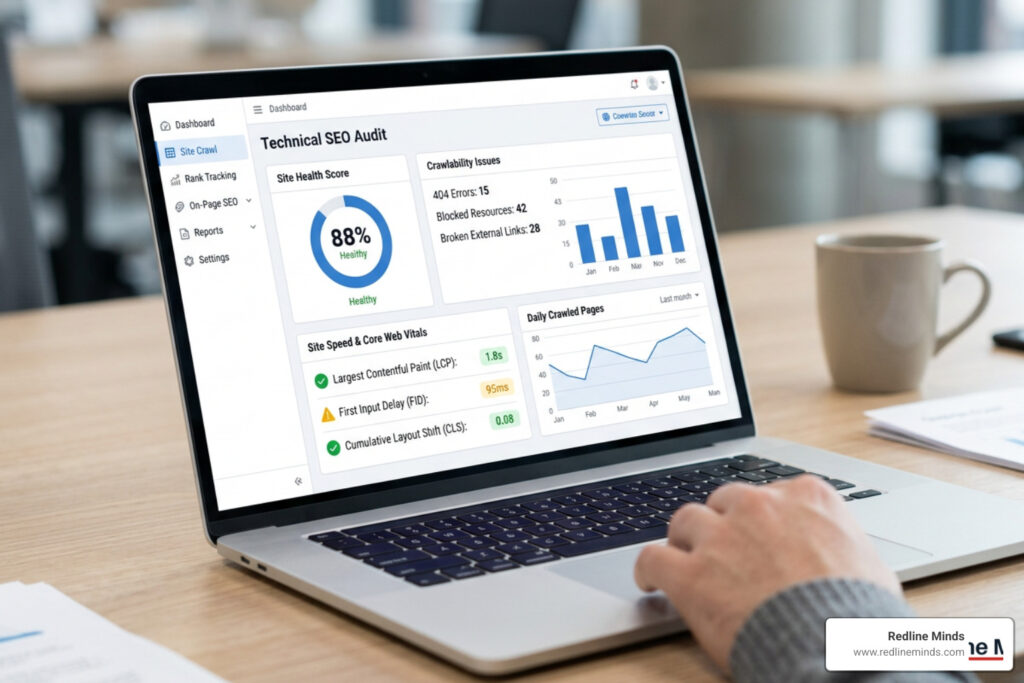
Page speed and user experience are official Google ranking factors. Slow load times frustrate customers and hurt your search visibility. For online retailers, we highly recommend reading Google Core Web Vitals for Ecommerce Sites: Should You Worry? to understand how to optimize your technical infrastructure for better rankings and conversions.
Google Search Console: The Essential Free Baseline
Google Search Console (GSC) is the single most important tool for any website owner. It has a G2 rating of 4.7 out of 5 stars from over 419 reviews and provides direct, first-party data straight from Google.
GSC is where you submit your sitemaps, monitor indexation issues, and track the exact search queries driving traffic to your site. It is also an invaluable tool for Click-Through Rate (CTR) optimization; by identifying keywords with high impressions but low clicks, you can rewrite your meta titles and descriptions to capture more traffic.
Screaming Frog and Seobility: Deep Crawling and Site Audits
For deeper technical analysis, desktop and web-based crawlers are indispensable. Screaming Frog SEO Spider is a beloved desktop tool with a 4.7 out of 5-star rating on G2. Its free version allows you to crawl up to 500 URLs, making it perfect for finding broken links, audit redirect chains, and analyzing page titles in bulk.
If you prefer a web-based, user-friendly auditing experience, Seobility’s Free SEO Checker is a fantastic option. It evaluates over 200 SEO-relevant factors — including metadata, site structure, and server configurations — and provides a prioritized task list to help you fix errors quickly. If you want a comprehensive desktop suite that avoids the monthly credit limits of cloud SaaS tools, you can download SEO Software — All-In-One SEO Tools for full-cycle SEO optimization to manage unlimited site audits and link-building campaigns.
How to Choose the Best SEO Tools for Your Business
With so many options available, choosing the right software can feel daunting. The key is to match the tool to your specific business goals, team size, budget, and technical expertise.
Evaluating the Best SEO Tools for Beginners
If you are new to search engine optimization, starting with enterprise-grade software can lead to tool fatigue and wasted budget. Beginners should focus on tools with a low learning curve and intuitive dashboards.
Google Autocomplete is a fantastic, free way to discover real-time long-tail search queries. For budget-friendly keyword research, KeySearch is an excellent alternative to the big suites, offering robust keyword difficulty metrics and competitor analysis for a fraction of the cost. Ubersuggest is another beginner-friendly option that features an aesthetically pleasing dashboard and simple keyword clustering features.
Frequently Asked Questions about SEO Software
Can I do SEO effectively using only free tools?
Yes, absolutely! Beginners and small businesses can build a strong SEO foundation using free tools. Google Search Console and Google Analytics provide highly accurate, first-party data about your traffic and keyword performance. You can pair these with Google PageSpeed Insights for technical speed audits and Google Trends to spot emerging search behaviors. While free tools have data caps and lack the automated competitor intelligence of paid suites, they are more than enough to get you started.
How do modern SEO tools track visibility in AI search engines?
Modern SEO tools utilize specialized AI Visibility indexes to track how often a brand is mentioned or cited inside LLM prompts and conversational search engines like ChatGPT and Google AI Overviews. These tools analyze millions of search queries to determine which websites are being used as sources by AI engines, helping you optimize your content structure and authority to win more AI citations.
Is SEO still worth investing in for 2026?
Yes, organic search remains one of the most cost-effective and sustainable marketing channels available. While search behavior is diversifying into AI assistants and conversational engines, those systems still rely on high-quality, technically sound website content to generate their answers. By investing in modern SEO and GEO strategies, you ensure your brand is visible wherever your customers choose to search.
Conclusion
Finding the best SEO tools for your business is about choosing the platform that helps you make faster decisions, uncover hidden opportunities, and turn data into measurable growth. Whether you need an all-in-one suite like Semrush, an on-page optimizer like Surfer SEO, or free essentials like Google Search Console, the right stack will give you a major competitive advantage.
At Redline Minds, we specialize in helping B2B and hybrid ecommerce retailers build, optimize, and scale their online sales channels. Based in Jefferson City, Tennessee, our team combines strategic consulting, web development, and expert SEO execution to drive sustainable organic growth.
Ready to transform your search visibility and outshine the competition? Explore our curated list of the Best SEO Tools for Ecommerce and reach out to us today to build a custom search strategy tailored to your store’s unique needs.
Share this article
Tap into years of experience and turn your site’s visitors into buyers.
Related Posts
-
Compare Shopify Migration Services: Options Cheat Sheet
Compare Shopify migration services and find the right Shopify migration company for your store, from manual imports to…
-
Ultimate Checklist for Improving B2B Customer Experience
Ultimate Checklist for Improving B2B Customer Experience – Learn about b2b ecommerce customer experience
-

A Practical Guide to What to Sell Online for Profit
A Practical Guide to What to Sell Online for Profit – Learn about i don t know what…