
A Practical Guide to What to Sell Online for Profit

Still Saying “I Don’t Know What to Sell Online”? Start Here
If you don’t know what to sell online, you’re not alone — and you’re not stuck for the reason you think.
Here’s a quick answer to get you started:
The fastest ways to find something to sell online:
- Look at what you already know — skills, shortcuts, or problems you’ve solved
- Choose a proven product category — apparel, pet products, beauty, digital downloads, or kitchenware are all high-demand
- Pick a sourcing model — dropshipping, print-on-demand, or digital products require little to no upfront inventory
- Validate before you build — use Google Trends, Amazon reviews, and social media to confirm demand
- Choose your platform — Etsy, Amazon, Shopify, or your own store depending on what you’re selling
Most people who feel stuck on this aren’t missing ideas. They’re overthinking the starting point.
The research backs this up. As one digital creator puts it: “Most people who say they don’t know what to sell online actually know more than they think. They just don’t recognize their own knowledge as valuable because they’ve had it for so long it feels obvious.”
And here’s the bigger picture: selling products is currently the third most popular side hustle in the U.S. The global e-commerce market keeps growing, social commerce alone is projected to grow at a 29.2% compound annual rate through 2033, and categories like pet products, beauty, and wellness are each worth hundreds of billions.
The opportunity is real. The question is just knowing where to look — and this guide walks you through exactly that.
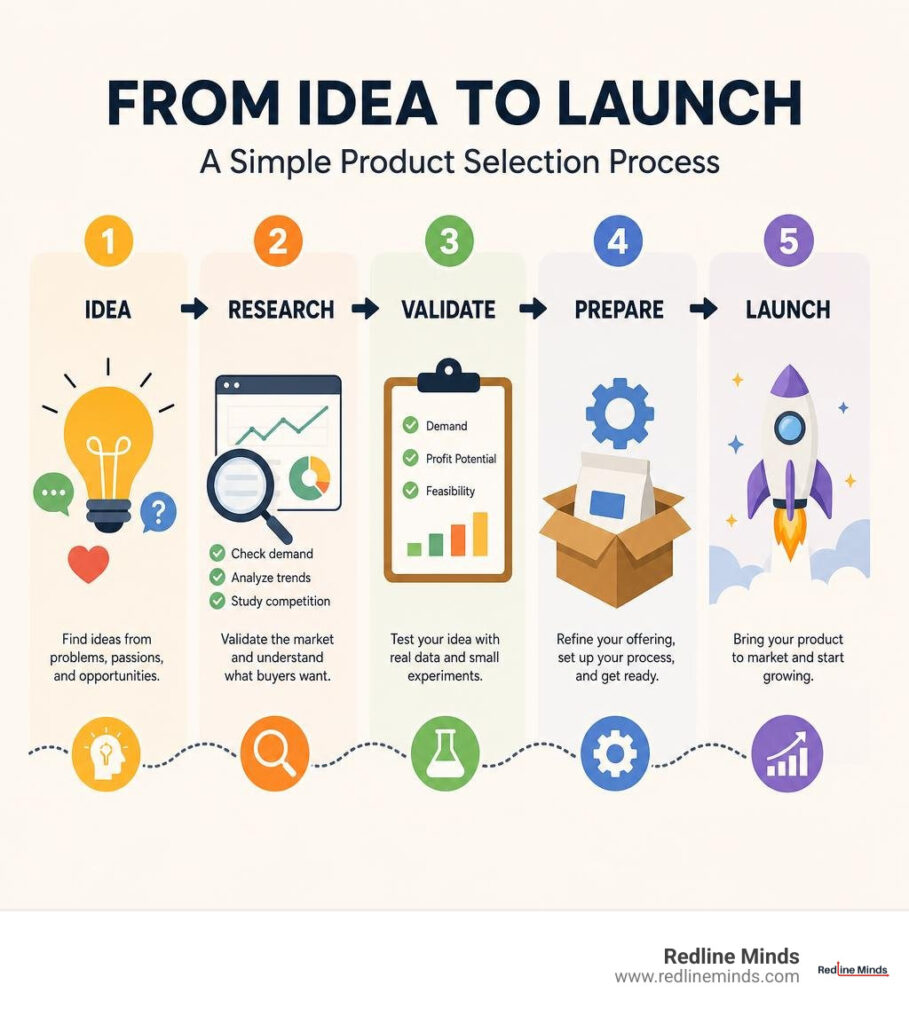
What to Do When You Say “I Don’t Know What to Sell Online”
When you find yourself staring at a blank screen thinking, “i don t know what to sell online,” the temptation is to look outward. You search for “hottest trending products” or “viral TikTok items.” But trends are fleeting. If you build a business solely on a viral wave, you might find yourself with a warehouse full of inventory nobody wants by next month.
Instead, we recommend starting with a structured approach that balances niche selection and market demand.
A great product in a dead niche won’t sell. That’s why we always start with the niche first. We want to find pockets of the market where there are proven, active buyers who are already spending money, but who are still looking for better options, bundles, or unique angles.
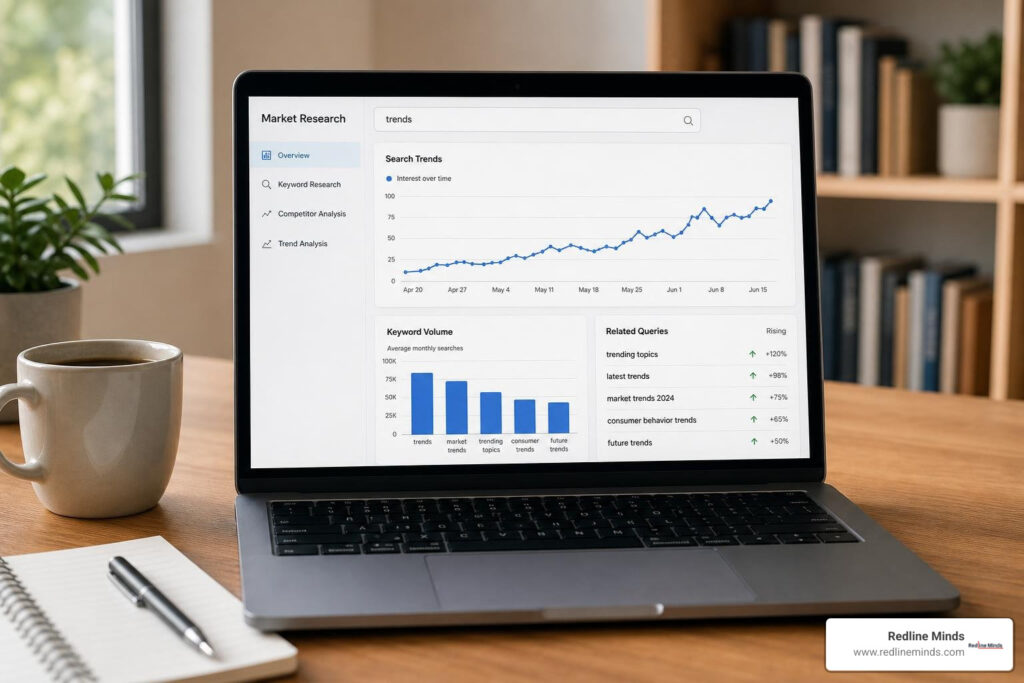
To do this, you need to look at market demand data. You can use free tools like Google Trends to see if search interest in a specific product category is growing or shrinking. You can also explore online marketplaces to see what is already selling.
If you are looking for a deeper dive into how to uncover these hidden opportunities, you can read more about identifying your unique knowledge in this guide on What to Sell Online When You Don’t Know What You Know. The secret is to stop looking for a completely “new” invention and start looking for ways to improve, repackage, or bundle what is already working.
Overcoming the “I Don’t Know What to Sell Online” Mindset Block
The biggest hurdle for most beginners isn’t a lack of tools; it’s a mindset block. We often assume that to sell something, we have to be world-class experts or design a physical product.
In reality, some of the most profitable online businesses are built on simple problem-solving. To break through this mental block, we suggest doing a quick personal skills and passions assessment:
- What do people ask you for advice on? Do your friends ask you for budgeting advice, fitness tips, or help organizing their homes?
- What professional skills do you use daily? The spreadsheets, templates, or organizational frameworks your boss pays you to use are highly valuable to someone else who wants to skip the learning curve.
- What problems have you personally solved over the last few years? Did you learn how to feed a family of five on a tight budget? Did you organize your home office to maximize productivity?
Your “ordinary” is someone else’s breakthrough. You don’t need to be a guru; you just need to be one step ahead of the person you are helping. If you want to turn this brainstorming session into a structured plan, check out this guide on How to Figure Out What to Sell as a Digital Product This Weekend. It outlines a practical, two-day framework to extract your knowledge and shape it into a sellable format.
Sourcing Strategies When You Don’t Know What To Sell Online
If you want to sell physical products but don’t want to manufacture them yourself or store boxes in your garage, you have several beginner-friendly sourcing options. Each has its own balance of risk, cost, and control:
- Dropshipping: You list products on your store that are held and shipped by a third-party supplier. When a customer buys from you, the supplier ships the item directly to them. This has very low startup costs, but the margins can be thin and competition is fierce.
- Print-on-Demand (POD): A specialized form of dropshipping where your custom designs are printed on products (like t-shirts, mugs, or hoodies) only when an order is placed. This is highly customizable and carries no inventory risk.
- Private Label: You find an existing product manufactured by a third party, customize it with your own branding and packaging, and purchase it in bulk. This offers higher margins and brand control but requires more upfront capital.
For those looking to bypass physical logistics entirely, digital products are an incredible route. If you want a tool that helps you validate digital niches and generate ready-to-sell bundles instantly, you can explore Kupkaike. It is a platform designed to help you find a buying niche, score the demand, and generate a complete digital product bundle—including guides, workbooks, and marketing assets—in just ten minutes.
Physical vs. Digital vs. Services: Choosing Your Business Model
Before picking a specific item, you need to decide which business model fits your lifestyle, budget, and long-term goals.
To help you understand how these models function within the broader retail landscape, you can read our What is Ecommerce? Comprehensive Guide to Online Retail.
Here is a quick breakdown of how these three main product types stack up against each other:
| Feature | Physical Products | Digital Products | Services / Productized Services |
|---|---|---|---|
| Upfront Cost | Moderate to High (unless dropshipping) | Very Low | Low |
| Profit Margins | 30% – 50% (typical target: 40%+) | 80% – 90%+ | High (but tied to time or labor) |
| Scalability | Harder (requires inventory & shipping) | Infinite (sell the same file 10,000 times) | Moderate (limited by team size/hours) |
| Fulfillment | Shipping, packaging, returns | Automated instant download | Manual delivery or video calls |
| Best For | Brand builders, visual marketers | Creators, writers, system-builders | Consultants, coaches, agencies |
Profitable Physical Product Categories to Consider
If you decide that physical products are your calling, we recommend focusing on established, high-demand categories rather than trying to create a brand-new market. Based on recent market data, here are some of the most profitable physical categories to explore:
- Pet Products: The pet market is booming, with the global pet products market projected to reach $116 billion by 2030. Pet owners treat their animals like family, making them highly willing to spend on premium items.
- Beauty and Personal Care: Expected to generate $646 billion globally in 2025. From skincare to cosmetics, this category thrives on visual social media marketing.
- Kitchenware: Currently valued at $17.7 billion and projected to grow to $20 billion by 2029. High-quality, aesthetic kitchen tools are evergreen sellers.
- Jewelry: The global jewelry market is expected to reach $310 billion in revenue in 2025, with non-luxury, affordable fashion jewelry accounting for 88% of those sales.
- Baby Care: The baby care market is projected to reach $88.72 billion by 2026. Parents consistently seek safe, high-quality products for their growing families.
- Apparel & Eco-Friendly Goods: The global t-shirt market is projected to hit $45.54 billion in 2025. Furthermore, sustainability is a massive buying driver; a 2024 survey revealed that 54% of consumers are willing to pay more for sustainable products, up from 35% in 2022.
For a massive list of ideas categorized by profit potential and ease of starting from home, check out this comprehensive resource on 101 BEST Home Based Products to Sell.
High-Margin Digital Products and Services
For those who want to avoid shipping costs, customs delays, and inventory management, digital assets and services are the ultimate business models. Because the cost of goods sold (COGS) is practically zero, your profit margins remain exceptionally high.
Some of the most popular digital formats include:
- Templates: Budget planners, social media graphics, Notion setups, or resume templates.
- Online Courses & Guides: Packaging your professional expertise into a structured learning path.
- Consulting & Productized Services: Selling a highly specific service for a flat fee (e.g., “We will write 5 email newsletters for your brand”).
If you are trying to decide which of these models fits your personal skills, risk tolerance, and financial runway, you can use the strategic framework outlined in What Business Should I Start?. This guide helps you filter business ideas based on “founder-fit” rather than just chasing market hype.
How to Validate Your Product Ideas Before Launching
One of the most expensive mistakes you can make in ecommerce is building an entire store around an unproven product. Before you spend money on inventory, design, or ads, you must validate that people are actually willing to pay for your solution.
To understand how validation fits into your overall customer acquisition strategy, we suggest reviewing our breakdown of the Ecommerce Marketing Funnel. Validation is essentially testing the very top of that funnel before you build the rest of it.
The Amazon Review Method for Finding Gaps
A powerful, free way to validate demand and find product improvement ideas is what we call the Amazon Review Method. This works for both physical and digital products:
- Search for top-selling books or products in your chosen niche on Amazon.
- Skip the 5-star reviews (which are often generic praise) and skip the 1-star reviews (which are often shipping complaints or random rants).
- Focus on the 3-star and 4-star reviews.
- Look for recurring patterns. What did paying customers love, and what did they feel was missing?
For example, if you see multiple reviews on home organization books saying, “The tips were great, but I wish there were printable checklists I could actually use in my kitchen,” you have just found a highly profitable gap. You can design a printable kitchen organization template bundle to solve that exact pain point.
Testing Demand with a Minimum Viable Product (MVP)
An MVP is the simplest, fastest version of your product that you can put in front of customers to test their willingness to buy.
- For digital products: Instead of spending three months filming a 20-hour video course, write a simple 10-page PDF guide or host a live 1-hour workshop. If people buy the workshop, you have validated the demand and can build the full course later.
- For physical products: You can create a simple landing page with high-quality mockups of your product. You can run a small pre-order campaign or a “coming soon” email sign-up list to gauge interest before placing a large manufacturing order.
For practical steps on driving those crucial first visitors to your test pages to see if they convert, take a look at our guide on How to Market Your Online Store: Get Your First Sale.
Selecting the Right Platform and Sourcing Partners
Once you have validated your product idea, you need to decide where you will sell it and how you will fulfill your orders.
Before committing to a specific website layout or theme, it is vital to plan ahead. You can read our advice on what to consider Before You Choose or Design a New Template for Your Online Store to ensure your site is built for high conversions from day one.
Choosing Between Marketplaces and Independent Stores
New sellers often face a choice: do you sell on an established marketplace or build your own independent website?
- Marketplaces (Etsy, Amazon, eBay): These platforms have built-in traffic. Millions of buyers search these sites daily. However, competition is incredibly high, you have limited control over your branding, and you must pay listing and transaction fees (such as Etsy’s $0.20 listing fee and 6.5% transaction fee).
- Independent Stores (Shopify, WooCommerce, BigCommerce): This gives you complete control over your brand, customer experience, and marketing data. However, you are starting with zero traffic and must actively drive visitors to your site.
For a deeper look at the technical and strategic considerations of building your own storefront, see our breakdown of the Build Ecommerce Website: 4 Factors that determine your success.
Finding and Vetting Reliable Suppliers
If you are selling physical goods, your supplier is the backbone of your business. A bad supplier can lead to shipping delays, poor product quality, and high return rates.
When vetting wholesalers or manufacturers:
- Order samples first: Never ship a product to a customer that you haven’t held, tested, and inspected yourself.
- Test their communication: Send them a few questions. Do they respond quickly and professionally?
- Understand the logistics: Ask about their lead times, minimum order quantities (MOQs), and shipping methods.
If you are sourcing products internationally, shipping costs can heavily impact your margins. To help you navigate these logistics, check out our insights on managing China Cheap Shipping Rates effectively.
Frequently Asked Questions About Selling Online
What is the easiest product for a beginner to sell online?
The easiest products to sell for beginners are digital downloads (like templates, checklists, or e-books) and print-on-demand items (like custom t-shirts or mugs). Both models require virtually zero upfront inventory costs, eliminate physical shipping logistics, and can be set up in a single weekend using free design tools like Canva.
How much does it cost to start an online store?
The cost varies wildly depending on your business model. A digital product or print-on-demand store can be launched for under $100 (covering basic platform subscriptions and domain registration). However, if you are launch a custom physical product brand with private labeling, you may need a larger budget for manufacturing and inventory. For a detailed breakdown of what to expect financially, read our guide on Ecommerce Website Design Cost.
How do I price my products to ensure a profit?
To ensure profitability, you must account for all costs, not just the cost of the product itself. This includes platform transaction fees, payment processing fees, shipping costs, and marketing expenses.
- For digital products: Aim for an 80%+ profit margin.
- For physical products: Aim for a 40%+ profit margin. A common handmade pricing formula is: Material Cost x 3 for wholesale pricing, and Material Cost x 6 for retail pricing. Always study your competitors to ensure your pricing aligns with market expectations while still leaving you room to grow.
Conclusion
If you started this guide saying, “i don t know what to sell online,” we hope you now see that the answers are much closer than you think. Whether you choose to package your professional skills into a high-margin digital template, launch an eco-friendly print-on-demand apparel brand, or tap into the multi-billion-dollar pet products market, the path forward is the same: choose, validate, and launch.
At Redline Minds, we specialize in helping businesses navigate these exact decisions. Based in Tennessee, we provide expert ecommerce consulting, high-converting web development, and strategic online marketing. We specialize in B2B and hybrid stores, helping brands transition from simple ideas to robust, scalable online sales channels.
Ready to turn your ideas into a real, profitable online business? Let us help you build a store designed for long-term success. Explore our What is Ecommerce? Comprehensive Guide to Online Retail to learn more, or reach out to our team today to start building your custom ecommerce strategy.
Share this article
Tap into years of experience and turn your site’s visitors into buyers.
Related Posts
-
A Quick Start Guide to Ecommerce Basics
Learn what is ecommerce in this quick start guide covering models, benefits, and trends for modern online retail…
-

The Complete Guide to Inventory Control Best Practices
Learn inventory control best practices for warehouse execution, cost reduction, and multi-channel automation in this complete guide.
-

Beginner’s Guide to Agentic Commerce
Learn how agentic commerce works, its key protocols, and how autonomous AI shoppers are transforming retail and B2B…